“The Impact of Global Warming” affects us all, this article explores the causes, effects, and solutions related to climate change. Here we examine some of the latest research and information available, as well as how global warming is affecting ecosystems, wildlife, and communities worldwide.
Below is five of the fundamental issues we face as we look into a world with global warming effects and what that could lead to.

Rising global temperatures: The primary impact of global warming is an increase in global temperatures. This warming trend is caused by the accumulation of greenhouse gases in the atmosphere, which trap heat from the sun and prevent it from radiating back into space. The average global temperature has already risen by around 1.2°C above pre-industrial levels, and is expected to continue to rise if greenhouse gas emissions are not reduced.
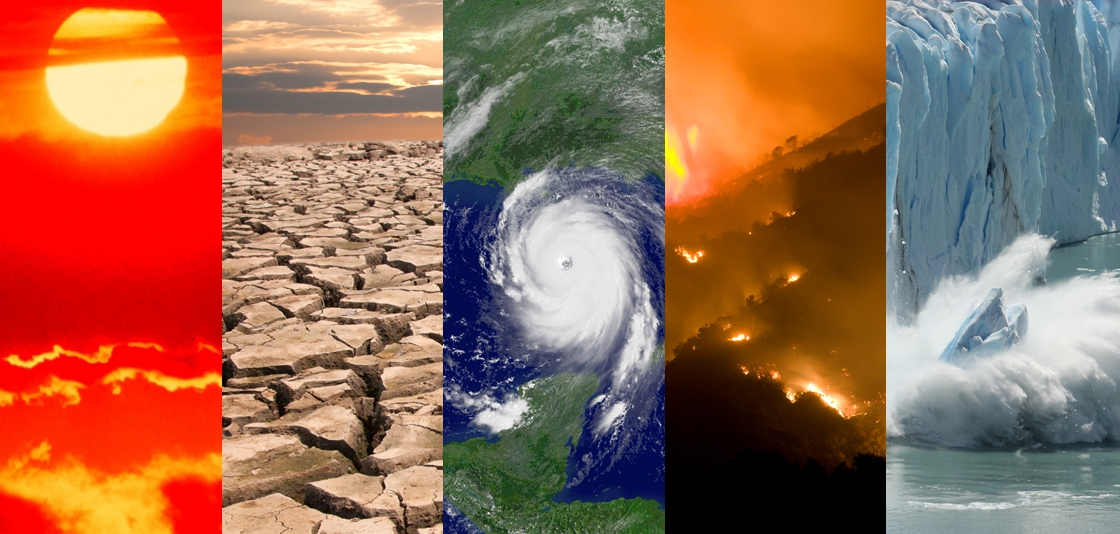
Changes in weather patterns: Global warming is also causing changes in weather patterns around the world. This includes more frequent and intense heatwaves, droughts, and wildfires in some areas, as well as more frequent and intense storms, floods, and heavy rainfall in others. These changes can have significant impacts on ecosystems, agriculture, and human health.
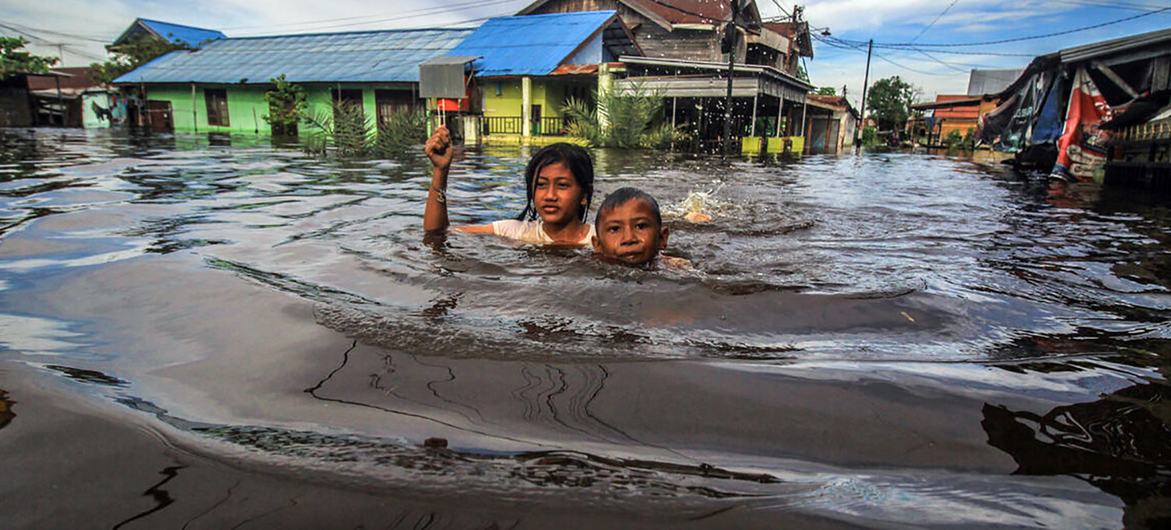
Rising sea levels: As the planet warms, the polar ice caps are melting, causing sea levels to rise. This can lead to increased flooding and erosion along coastlines, as well as the loss of habitats for many species. Rising sea levels also pose a threat to many coastal cities and towns, as well as to low-lying islands and countries.
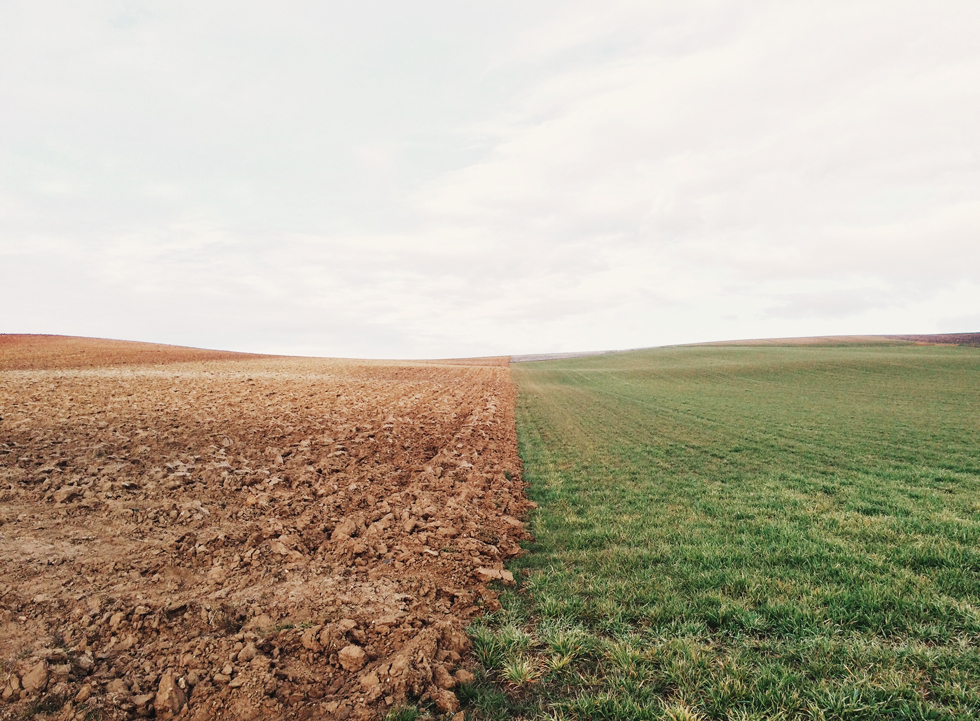
Changes in ecosystems: Global warming is also causing significant changes in ecosystems around the world. As temperatures rise, some species may be forced to migrate to more suitable habitats, while others may become extinct. This can have a knock-on effect on other species in the ecosystem, as well as on the services that ecosystems provide to humans, such as clean air, water, and food.
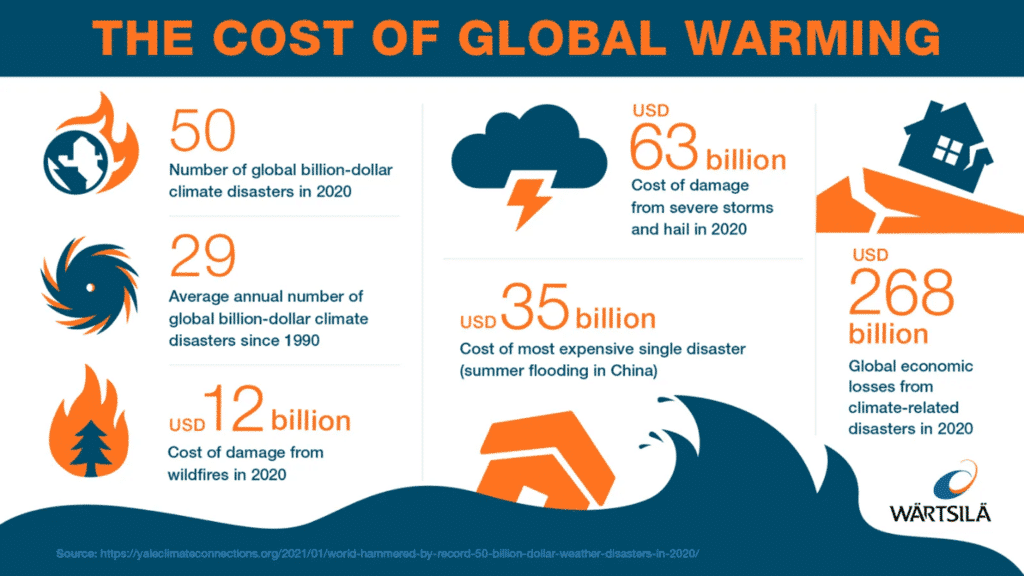
Economic impacts: Finally, global warming is likely to have significant economic impacts. These include the costs of adapting to the changing climate, such as building sea walls and other infrastructure to protect against rising sea levels and more extreme weather events. It also includes the costs of transitioning to a low-carbon economy, such as developing renewable energy sources and reducing emissions from transportation and industry.