Global warming, caused by the increase in greenhouse gases in the atmosphere, is rapidly changing ecosystems around the world. As temperatures rise, many plants and animals are struggling to adapt to the changing conditions, leading to shifts in the distribution of species and the loss of biodiversity. In this article, we will discuss the impacts of global warming on ecosystems and potential solutions to mitigate their effects.
Impacts of Global Warming on Ecosystems
The impacts of global warming on ecosystems are numerous and far-reaching, affecting everything from the Arctic tundra to coral reefs. One of the most immediate impacts is the shift in the distribution of species, as many plants and animals are unable to adapt to the changing conditions. For example, some species may be forced to migrate to higher latitudes or elevations in search of suitable habitat, while others may become locally extinct.
In addition to shifts in the distribution of species, global warming can also lead to changes in the timing of biological events, such as the timing of migration or the timing of flowering in plants. These changes can have significant impacts on the interactions between species, such as pollination, and can disrupt important ecosystem functions.
Another impact of global warming on ecosystems is the loss of biodiversity, as species are unable to adapt to the changing conditions. This loss of biodiversity can have far-reaching impacts, affecting everything from the availability of food and water to the stability of ecosystems.
Finally, global warming can also impact the physical structure of ecosystems, such as the melting of permafrost in the Arctic tundra or the acidification of the oceans due to increased carbon dioxide levels. These changes can have significant impacts on the functioning of ecosystems, such as the cycling of nutrients and the availability of habitat for marine life.
Potential Solutions
There are several potential solutions to mitigate the impacts of global warming on ecosystems, ranging from policy and management approaches to technological solutions.
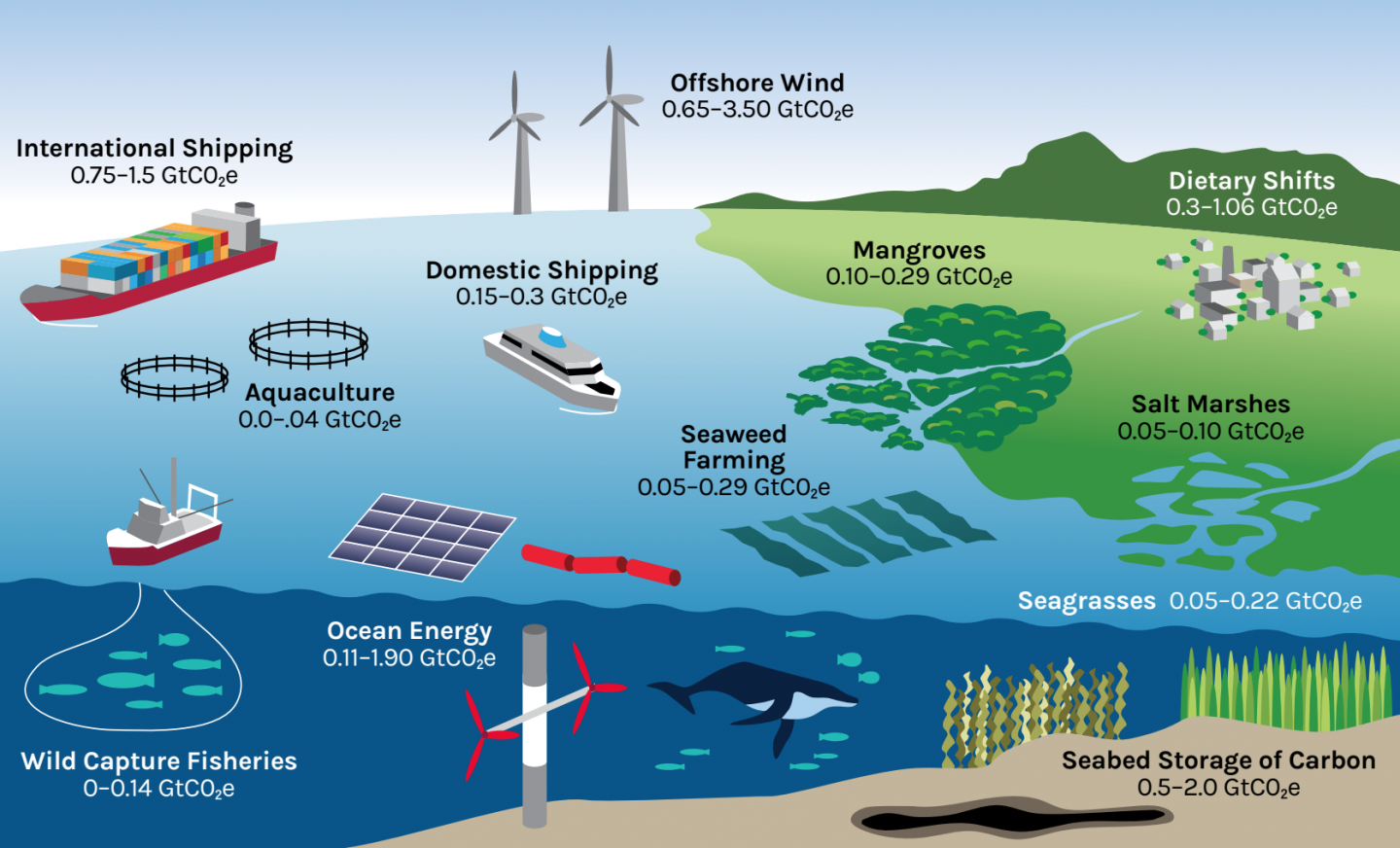
One approach is to reduce greenhouse gas emissions, which can help to slow the rate of global warming and thereby give ecosystems more time to adapt to the changing conditions. This can be achieved through a range of measures, such as improving energy efficiency, transitioning to renewable energy sources, and implementing policies to limit carbon emissions.
Another approach is to adapt to the changing conditions through ecosystem management strategies, such as restoration of degraded ecosystems or the introduction of new species that are better adapted to the changing conditions. These strategies can help to increase the resilience of ecosystems and reduce the impacts of global warming.
In addition to reducing emissions and adapting to the changing conditions, it is also important to protect and conserve ecosystems that are particularly vulnerable to the impacts of global warming. This can include measures such as creating protected areas or implementing regulations to limit the impacts of human activities on sensitive ecosystems.
Finally, research and monitoring are critical components of understanding and addressing the impacts of global warming on ecosystems. By monitoring the health and functioning of ecosystems over time, we can better understand the impacts of global warming and develop effective strategies to mitigate its effects.
Conclusion
In conclusion, global warming is rapidly changing ecosystems around the world, leading to shifts in the distribution of species, loss of biodiversity, and changes in the functioning of ecosystems. While there is no single solution to this complex problem, a range of approaches, including reducing greenhouse gas emissions, ecosystem management strategies, protecting vulnerable ecosystems, and research and monitoring, can help to mitigate the impacts of global warming on ecosystems. It is important that we take action to address this issue, both to protect the biodiversity and ecosystem services that we depend on and to ensure the long-term health and sustainability of our planet.