Climate change has been a hot topic in recent years as the world grapples with the consequences of rising global temperatures. The planet’s temperature has been steadily increasing, with each decade since the 1970s being warmer than the previous one. This increase in temperature is attributed to the rising levels of greenhouse gases in the atmosphere, primarily carbon dioxide, emitted from human activities such as burning fossil fuels, deforestation, and industrial processes. In this article, we’ll examine the effects of rising global temperatures, the causes of climate change, and the actions being taken to mitigate its impact
The Effects of Rising Global Temperatures
The consequences of rising global temperatures are far-reaching and alarming. One of the most notable effects is the melting of polar ice caps and glaciers, leading to high sea levels. This poses a significant threat to coastal cities and communities, which are vulnerable to flooding and erosion. The increased frequency and severity of natural disasters, such as hurricanes, floods, and wildfires, are also linked to rising global temperatures.
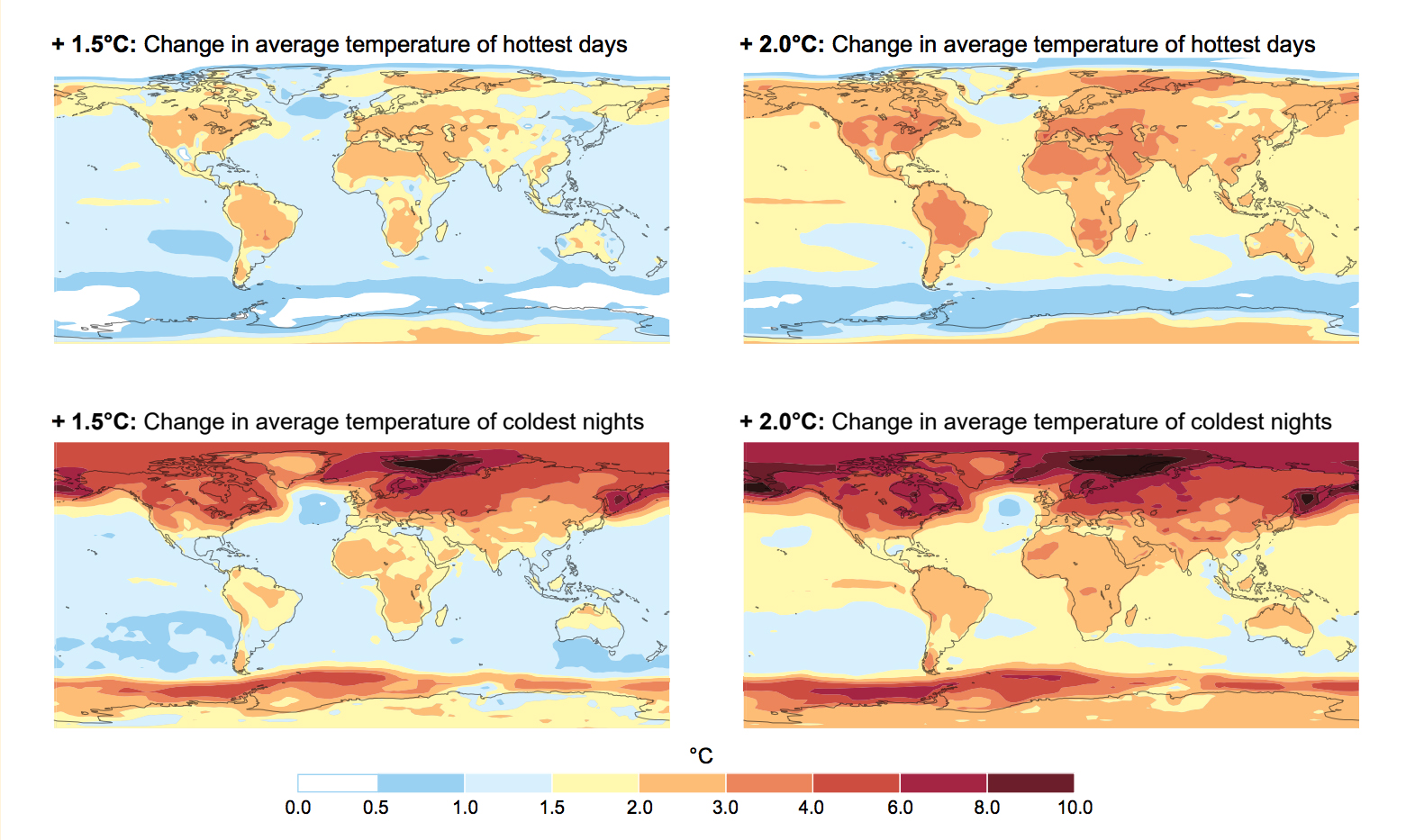
Rising temperatures also impact ecosystems, endangering plant and animal species that are unable to adapt to the changing climate. Heatwaves and droughts are becoming more frequent, causing crop failures and food shortages, and affecting the livelihoods of farmers and communities. Additionally, warmer temperatures increase the spread of diseases and pests, threatening public health.
Causes of Climate Change
The growing concentration of greenhouse gases in the atmosphere is the primary factor behind climate change. Greenhouse gases trap heat in the Earth’s atmosphere, creating a warming effect known as the greenhouse effect. Human actions, such as the burning of fossil fuels for transport, providing energy, and industrial processes, release carbon dioxide into the atmosphere, accounting for the majority of greenhouse gas emissions. Deforestation and land use changes also contribute to greenhouse gas emissions, as trees absorb carbon dioxide during photosynthesis.

Natural factors, such as volcanic eruptions and changes in solar radiation, also affect the Earth’s temperature. However, these factors account for a small fraction of the overall increase in global temperatures compared to human activities.
Actions to Mitigate Climate Change
To mitigate the impact of climate change, individuals, organizations, and governments must take urgent action to reduce greenhouse gas emissions. The transition to renewable energy sources, such as solar and wind power, can significantly reduce carbon emissions. The implementation of energy-efficient technologies and practices can also reduce energy consumption.
Another key strategy is to increase the use of public transportation and electric vehicles, reducing the dependence on fossil fuels for transportation. Additionally, sustainable agriculture practices and reforestation efforts can help reduce emissions and mitigate the effects of climate change.
Governments and international organizations have also taken steps to address climate change, including the adoption of the Paris Agreement in 2015. This agreement aims to limit global warming to below 2 degrees Celsius and pursue efforts to limit it to 1.5 degrees Celsius. Countries have committed to reducing their greenhouse gas emissions and regularly reporting their progress.
Conclusion
Rising global temperatures pose a significant threat to the planet and its inhabitants. The consequences of climate change, including rising sea levels, natural disasters, and ecological disruptions, are already being felt around the world. However, through collective action and a commitment to reducing greenhouse gas emissions, we can mitigate the effects of climate change and protect our planet for future generations.